
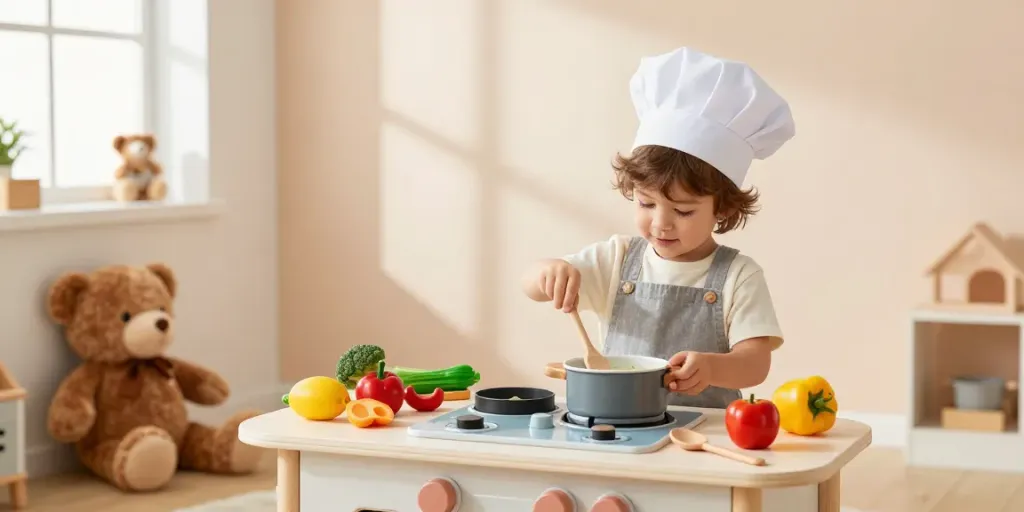
Understanding the Importance of Kids Kitchen Sets
Play is a crucial component of childhood development, allowing children to explore, learn, and create in a safe environment. Among the most beloved toys are kids kitchen sets, which not only provide endless entertainment but also serve as valuable tools for fostering essential life skills. As children engage in pretend cooking, they embark on a journey that enhances their creativity, nurtures their social skills, and cultivates an understanding of responsibility.
Benefits of Pretend Play for Child Development
Pretend play is fundamental to a child’s cognitive and emotional development. Research shows that when children engage in role-playing scenarios, they develop crucial skills such as problem-solving, critical thinking, and empathy. Kids kitchen sets allow children to mimic adults, thus learning about daily tasks in a fun and engaging way. This type of imaginative play not only entertains but also lays the groundwork for future learning.
The Role of Kids Kitchen in Fostering Creativity
With vibrant colours and interactive features, kids kitchen sets ignite a child's imagination. Children can invent recipes, create unique meals, and even role-play dinner parties, giving them the freedom to express their creativity. The flexibility of these toys allows for a myriad of scenarios that can change daily, keeping children engaged and inspired.
How Kids Kitchen Sets Encourage Social Skills
Playing with friends or siblings around a kids kitchen promotes collaboration and communication. Children learn to negotiate roles, share resources, and work towards common goals, all within a play context. These interactions are pivotal in developing their social skills and understanding the importance of teamwork.
Choosing the Right Kids Kitchen Set
When it comes to selecting the perfect kids kitchen set, there are several factors to consider to ensure it meets your child's needs and encourages imaginative play. Understanding the variety of available options can significantly enhance the play experience.
Factors to Consider When Selecting a Kids Kitchen
- Age Appropriateness: Ensure that the kitchen set is suitable for your child’s age group. Many sets are specifically designed for toddlers and preschoolers.
- Safety Features: Look for rounded edges, non-toxic materials, and stability to prevent tipping.
- Size and Space: Consider the available space in your home. Some kitchens are compact while others are larger and more elaborate.
- Interactive Features: Many modern kitchen sets come with lights and sounds, adding to the realism and excitement of play.
Types of Kids Kitchen Sets Available
Kids kitchen sets can vary greatly in style and functionality. From basic wooden designs to high-tech plastic kitchens equipped with electronic features, there is something for every child's preferences. Traditional wooden kitchens often offer a more classic aesthetic, while modern plastic sets may include interactive elements, such as play food and utensils.
Comparing Material Quality: Wood vs Plastic
Choosing between wooden and plastic kitchen sets often comes down to durability and maintenance. Wooden kitchen sets are generally sturdier and can withstand rough play, making them an excellent long-term investment. However, they can also be more expensive. Plastic sets, while often more affordable, may lack the same level of durability but are typically lighter and easier to clean.
Setting Up an Engaging Kids Kitchen Space
Creating an inviting and functional play kitchen space can significantly enhance your child's play experience. Here are some key considerations when setting up a kids kitchen area.
Creating a Safe and Accessible Cooking Area
Safety should be the top priority when setting up a kids kitchen. Ensure that the area is free from hazards and that the kitchen set is stable and secure. Position the kitchen within easy reach for your child to encourage independence during play.
Incorporating Storage for Kitchen Accessories
To foster an organised play environment, consider incorporating storage solutions within the kitchen area. Baskets, shelves, and bins can help keep utensils and play food neatly stored, allowing children to easily access their props, which enhances their play experience.
Design Ideas for Interactive Play Areas
Consider adding themed decorations to the kitchen area to spark your child's imagination. For instance, a mini chalkboard for menu planning, wall stickers of food items, or even an apron rack can enhance the thematic experience and encourage further engagement.
Enhancing the Kids Kitchen Experience
To make playtime more enjoyable and educational, consider various ways to enrich the kids kitchen experience, blending imagination with learning.
Recommended Accessories to Enrich Play
- Play Food: A variety of play food items can encourage creativity and role-playing scenarios.
- Utensils: Including pots, pans, and kitchen tools can help simulate real cooking experiences.
- Recipe Cards: You can create simple recipe cards that children can follow, teaching them about ingredients and cooking methods.
Integrating Real Cooking Experiences
To bridge the gap between play and reality, involve your child in real cooking activities. You can use their kitchen set as a teaching tool where they can apply what they learn during play to real-life cooking tasks. This not only reinforces their skills but also makes them feel included in family activities.
Engaging Activities for Kids Around the Kitchen
In addition to pretend play, consider planning activities that can be conducted in or around the kitchen area. Simple cooking classes, food-themed crafts, or even gardening can be fun ways to connect kitchen play with tangible, real-world experiences.
Maintaining and Caring for Kids Kitchen Sets
To ensure the longevity of your child’s kitchen set, regular maintenance is essential. Proper care will keep the kitchen looking new and safe for your little one.
Cleaning and Safety Tips for Kids Kitchen Toys
Cleaning is particularly important in a play kitchen environment where children are handling toys and food items. Regularly wipe down surfaces with a safe cleaning solution, and ensure all accessories are cleaned after each use to maintain hygiene.
Long-Term Care: Ensuring Longevity of Playsets
Inspect the kitchen set frequently for any signs of wear and tear. Replacing small parts, fixing loose screws, and maintaining cleanliness can greatly enhance the durability of the kitchen.
Signs It’s Time to Upgrade Your Kids Kitchen Set
As children grow, their play needs may change. If your child has outgrown their current kitchen set due to size or complexity, or if it shows significant wear, it might be time to consider an upgrade. Look for sets that offer more advanced features, allowing your child to continue developing their skills.
What is the best kitchen for kids?
The best kids kitchen will vary based on individual preferences, but it should be age-appropriate, safe, and promote imaginative play.
What age to get rid of kids kitchen?
Many children enjoy kitchen play until around the age of 8 or 9, at which point they may prefer more complex toys or games. However, this varies by child.
How much does a kitchen set for kids cost?
The cost of kids kitchen sets can range significantly based on size, material, and features, typically from £50 to over £300.
Where can you buy kids kitchens?
Kids kitchens can be purchased from various retailers, including toy stores, online marketplaces, and specialised stores that focus on children's toys.
Are wooden kids kitchens better than plastic?
Wooden kitchen sets are often more durable and aesthetically pleasing, while plastic kitchens may offer more interactive features and are generally lighter and easier to manage.